Fine Arts & Gallery Program · 3 Courses · Live Mentorship

Build the skills.
Find your voice.
Get represented.

A three-course fine arts program taught live by gallery-represented artists. No passive video. Real mentorship, real critique, real outcomes.

Beginner to Advanced 10 Weeks Per Course Live and On-Demand Spring 2026 Now Enrolling
April 26 – June 28, 2026 · Spring Semester
Recognized by
ImagineFX Best Online Art Schools
Creative Bloq Best Online Art Classes
4
Gallery-Represented Instructors
23+
Live Sessions Per Course
10
Weeks Per Course
6
Guest Artists Per Semester
The Fine Arts Program

A path from skill to career.

Three courses. Ten weeks each. Start where you are — complete all three for the full program.

Stage 1 of 3 Beginner
Skill and Style for Fine Arts
Skill & Style for Fine Arts

Build the technical foundation that makes everything else possible. Composition, lighting, value, texture, and the beginning of your personal style.

Learn More
Stage 2 of 3 Intermediate
Developing Voice for Fine Arts

Technical skill is only part of the picture. This course is about developing the artistic identity that separates you from every other painter in the room.

Learn More
Stage 3 of 3 Advanced
Career Development for Fine Arts

Turn your art into a career. Gallery submissions, finding collectors, representation strategies, and building a sustainable practice as a working fine artist.

Learn More
Your Instructors

Four gallery artists. In your corner every week.

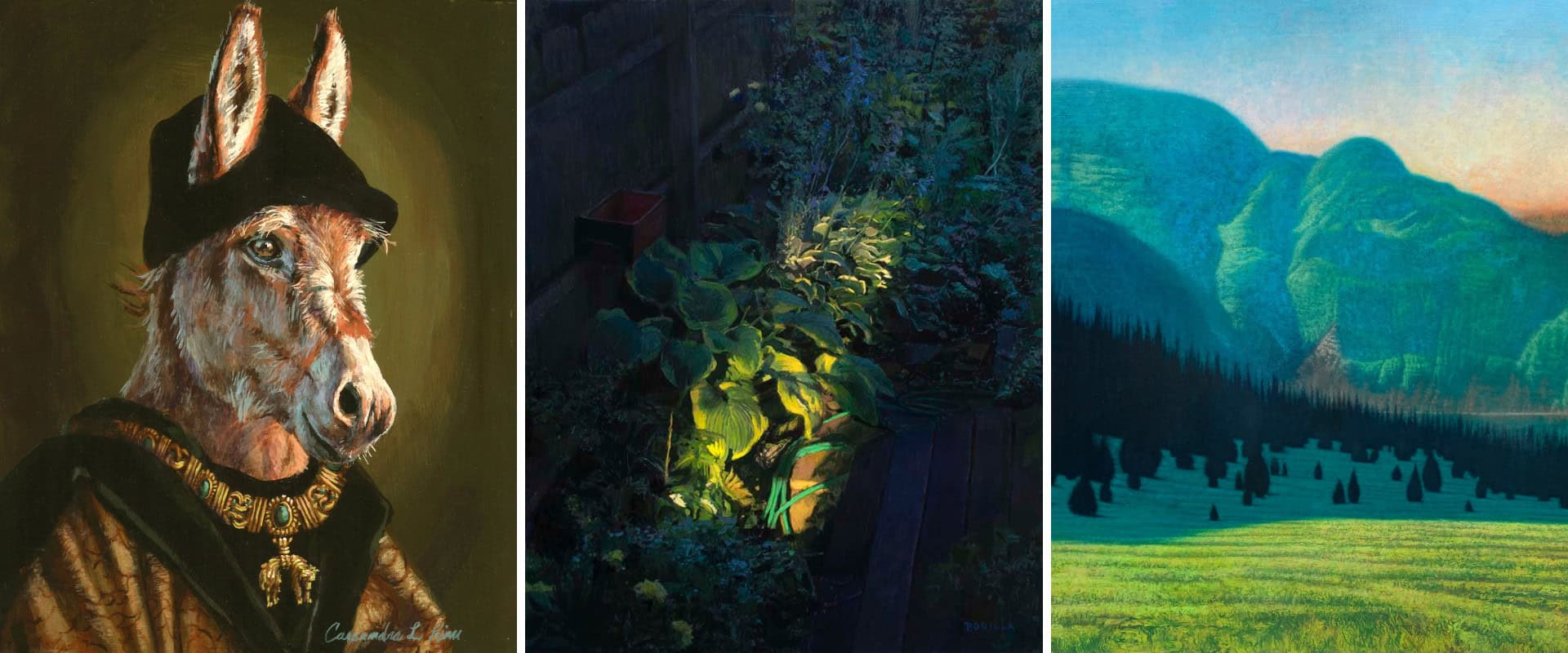
Every instructor is gallery-represented and actively working. They bring real industry access, honest critique, and hard-won knowledge into every class.

New
Oil painting by Joseph Lorusso

Joseph Lorusso

Figurative Realist · Painter

Joseph Lorusso is one of the most respected figurative realists working today. His paintings of everyday human connection. Quiet moments between people, light falling across a room, the weight of an ordinary afternoon. They have earned him permanent museum collections and a devoted following among collectors and galleries worldwide. He brings that same attention and warmth to every critique.

Permanent collections · Albrecht-Kemper Museum · Wichita Museum of Art · Beach Museum at Kansas State University
Published · American Artist · ARTnews · Art & Antiques · American Art Collector · Southwest Art
Taught at · Kansas City Art Institute · Scottsdale Artists School
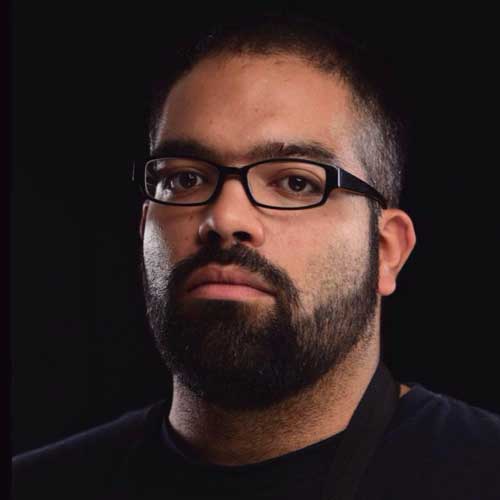
Oil painting by Raymond Bonilla

Raymond Bonilla

Fine Artist · Illustrator

Raymond Bonilla walks the line between fine art and illustration with rare confidence. His work has earned Gold Medals from the Society of Illustrators in both New York and Los Angeles, the two most competitive venues in the field, and hangs in galleries alongside painters who have been at it for decades longer. He teaches students how to build work that holds up anywhere.

Gold Medals · Society of Illustrators New York & Los Angeles
Best in Show · Great Lakes Emerging Artist Competition
Juried into · Communication Arts Illustration Annual
Finalist · Artists Magazine Annual Art Competition
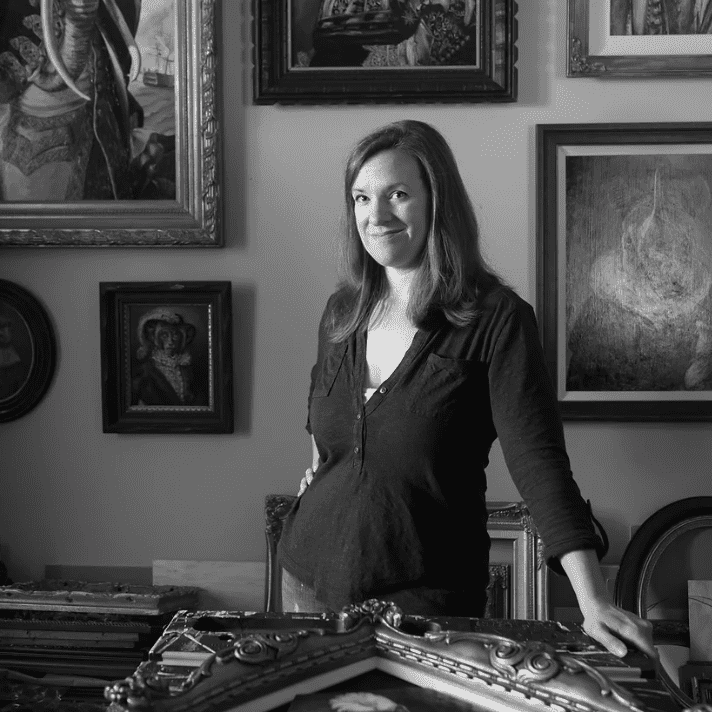
Painting by Cassandra Loomis Kim

Cassandra Loomis Kim

Contemporary Painter

Cassandra Loomis Kim's paintings are vivid, fearless, and unmistakably hers. Her 2025 solo show at LeMieux Galleries in New Orleans sold out to collectors who had followed her work for years. She knows how to develop a voice that is specific enough to be recognizable and broad enough to grow. She teaches that directly.

Solo show · "Ladies of Leisure" · LeMieux Galleries, New Orleans (2025)
Exhibiting · Robert Lange Gallery, Charleston · Muscarelle Museum, Williamsburg VA
Artist Residency · Klondike Gold Rush National Historical Park
Featured · Virginia Department of Wildlife Resources
Painting by John English

John English

Co-Founder, VAP & Illustration Academy

John English co-founded Visual Arts Passage and the Illustration Academy after a career that took him from the cover of Newsweek to Penguin Books to Esquire. He has built programs from scratch, mentored hundreds of working artists, and he still paints. He brings a co-founder's perspective on what it actually takes to build a career in this field. Not theory. Hard experience.

Awards · Society of Illustrators NY & LA · Communication Arts · Graphis · Print Magazine
Cover work · Newsweek · Esquire · Penguin Books · Bantam Books · NCAA · Sprint
How It Works

Live instruction. Not a video library.

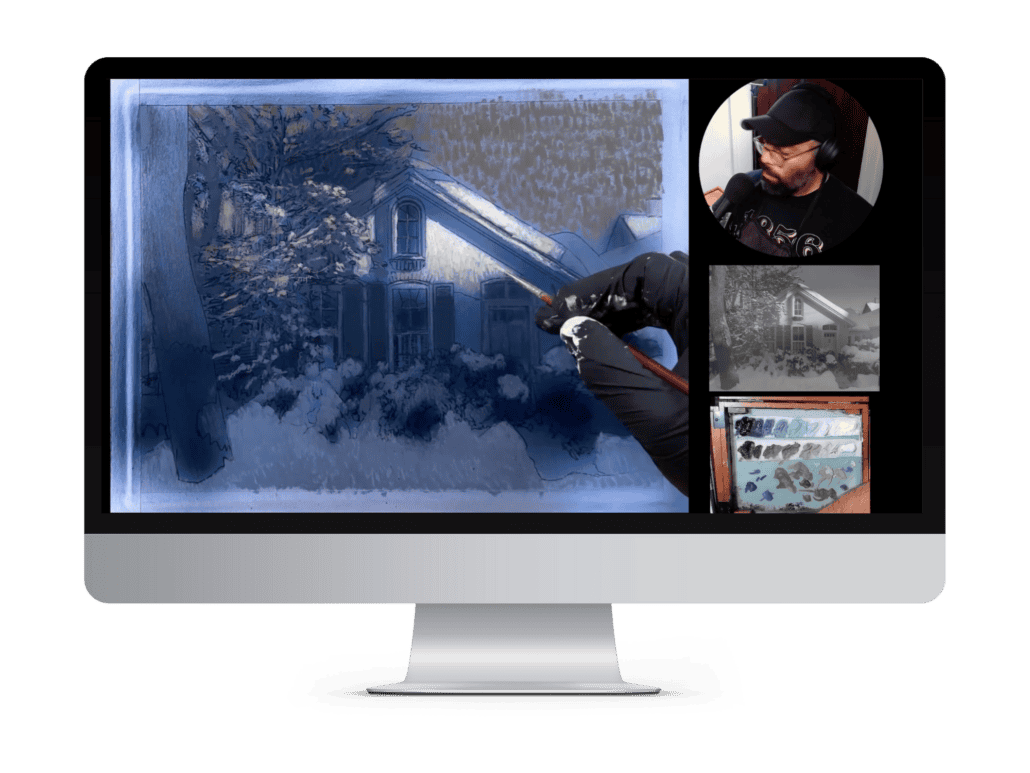
Every session is taught live by working artists who know your name and your work. This is mentorship, not passive learning.

01
Live Sunday Classes
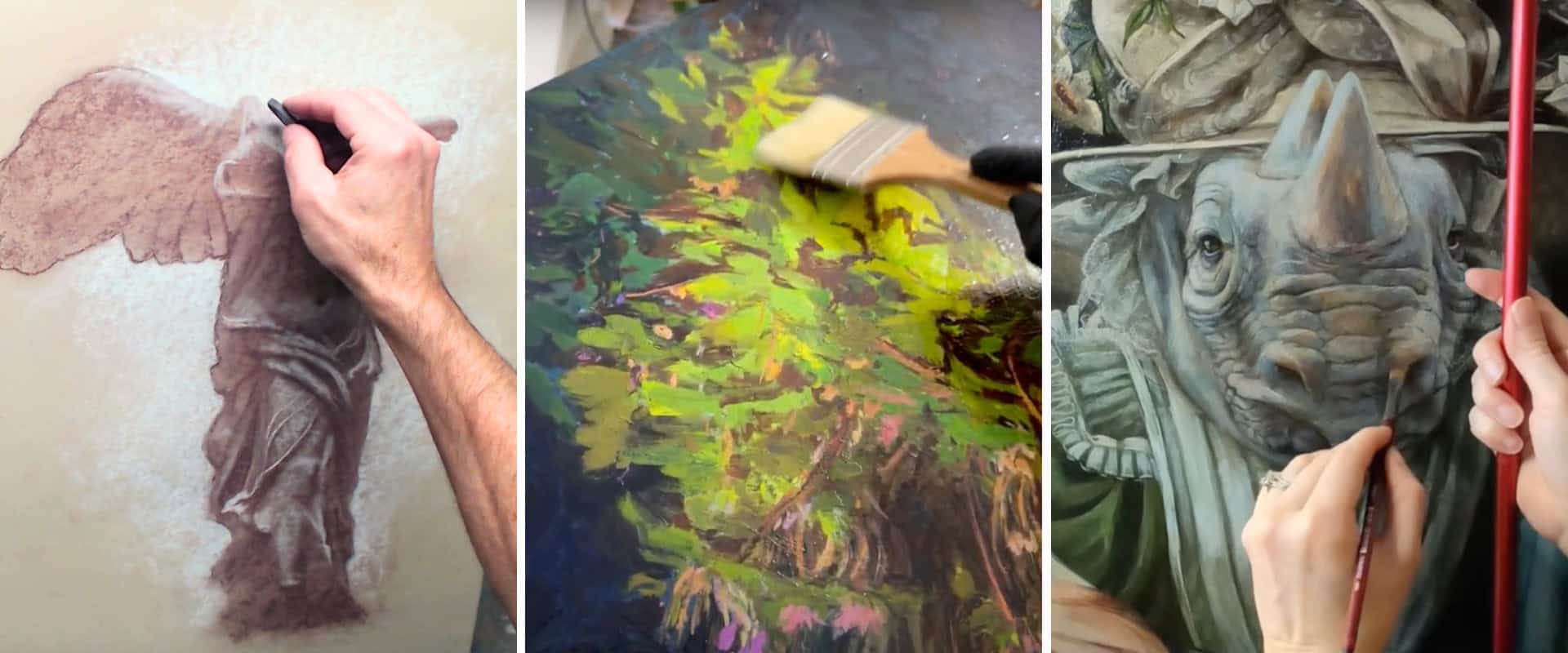
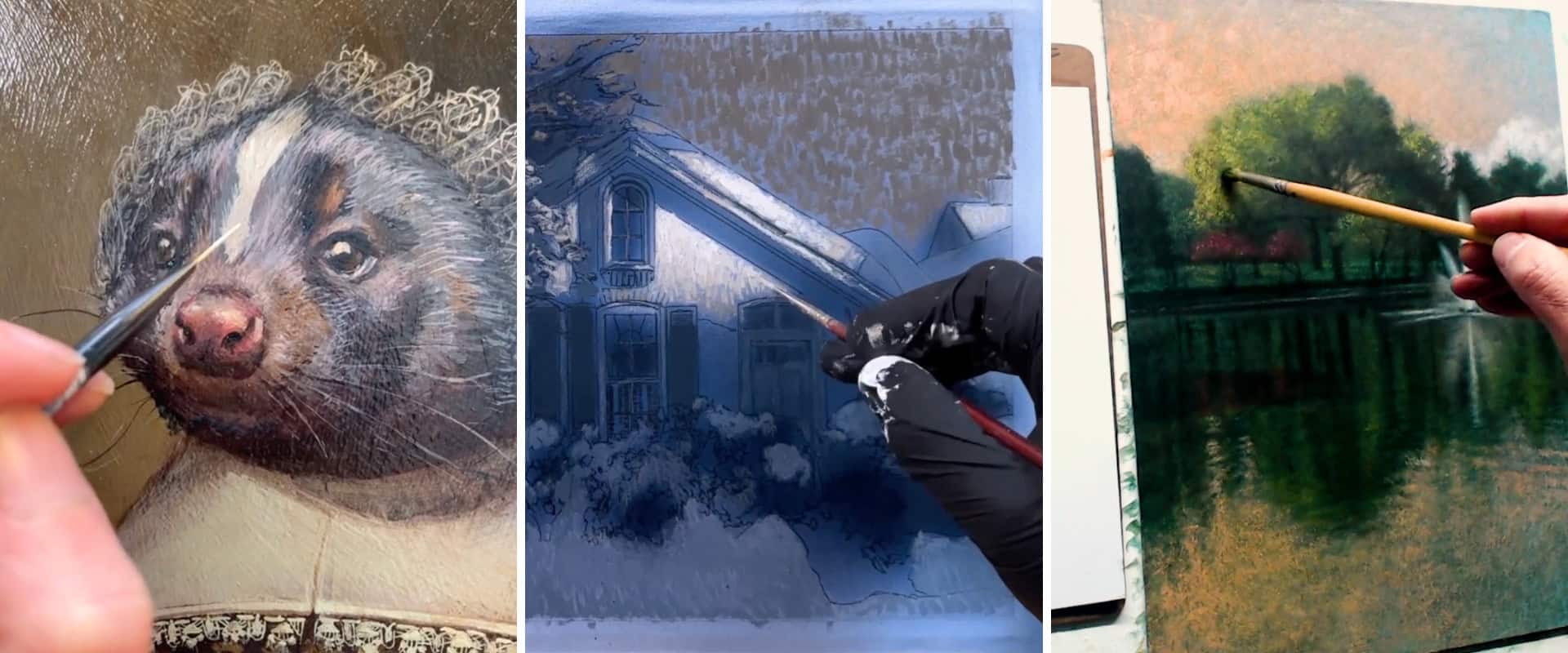
3-hour sessions every week. Lectures, live demos, and hands-on work time with your instructors.
02
Small Cohorts
Limited enrollment means your work gets real attention, not a generic comment in a 500-person course feed.
03
Assignments and Direct Critique
Every assignment gets direct feedback. You learn by making, not by watching others make.
04
Instructors Are Reachable
Private Discord channels connect you directly with instructors and peers throughout the entire course.
05
6 Guest Artists Per Semester
Two guest artists each guest weekend. Live demos, studio talks, and candid career conversations.
06
Live and On-Demand
Every class is fully recorded. Attend live or watch on your schedule. Your choice every week.
Study Hall

Midweek critique. Every week.

Study Hall is a live group session held every Wednesday, midway between Sunday classes. It is not optional. It is one of the most valuable parts of the program.

Bring your work in progress. Get unstuck. Watch other artists receive feedback and learn from it.

Submit work and receive critique from instructors and guest artists
Get direct help when you are stuck mid-assignment
Observe other critiques and learn from different perspectives
Multiple instructors and guest artists weigh in throughout the semester
Build real relationships with your cohort over 10 weeks
Access your instructor between classes through private Discord channels
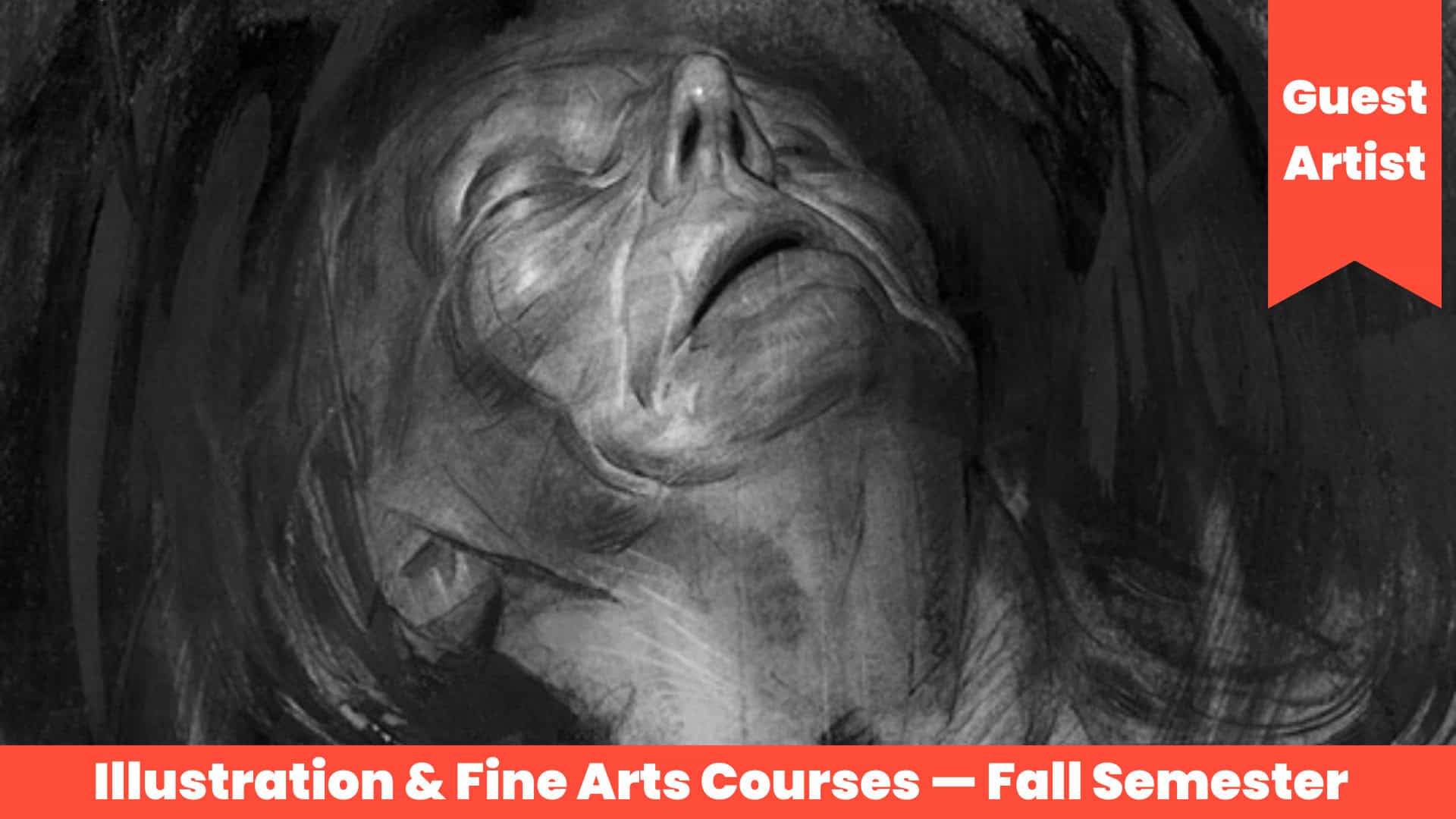
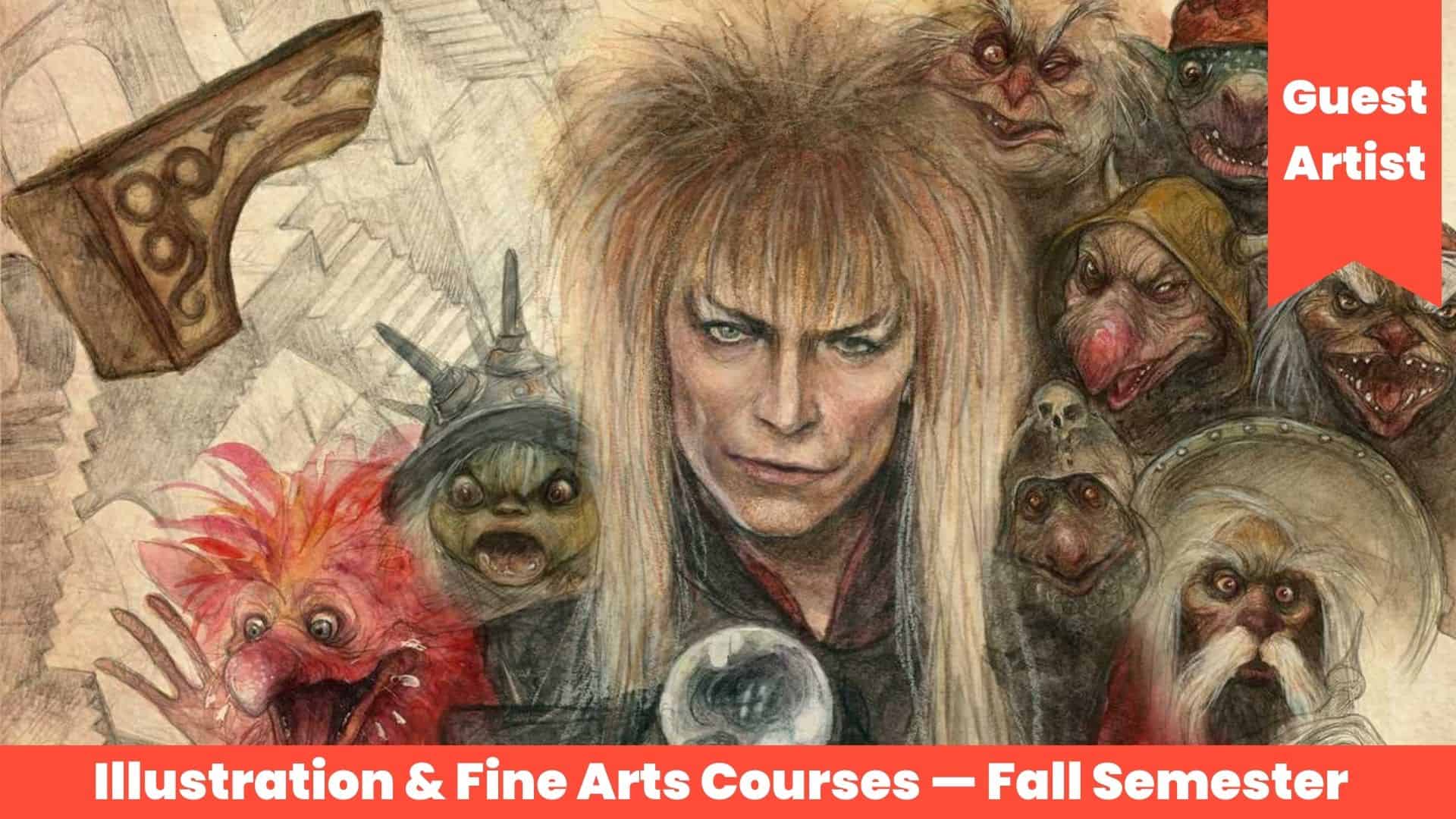
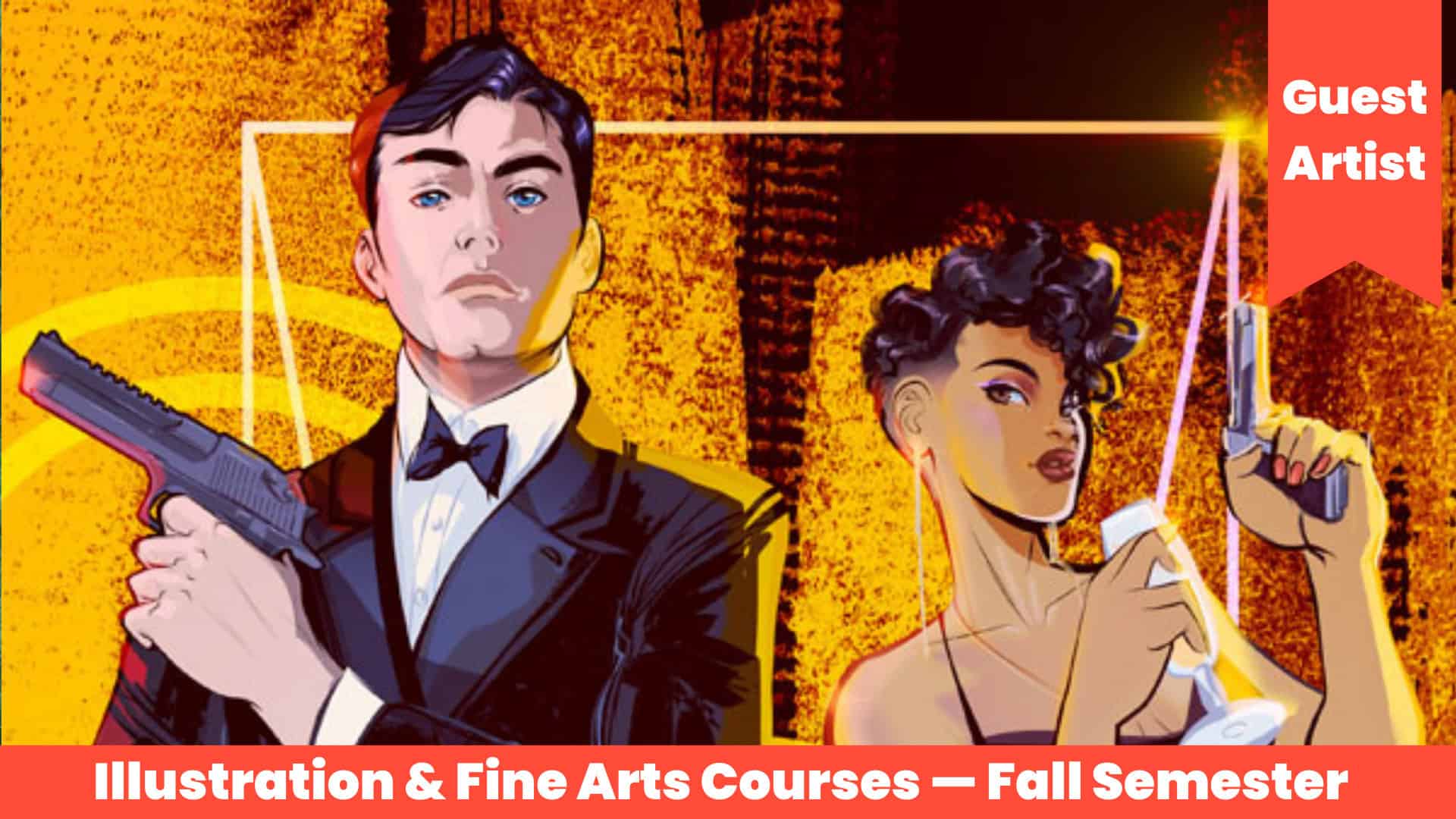
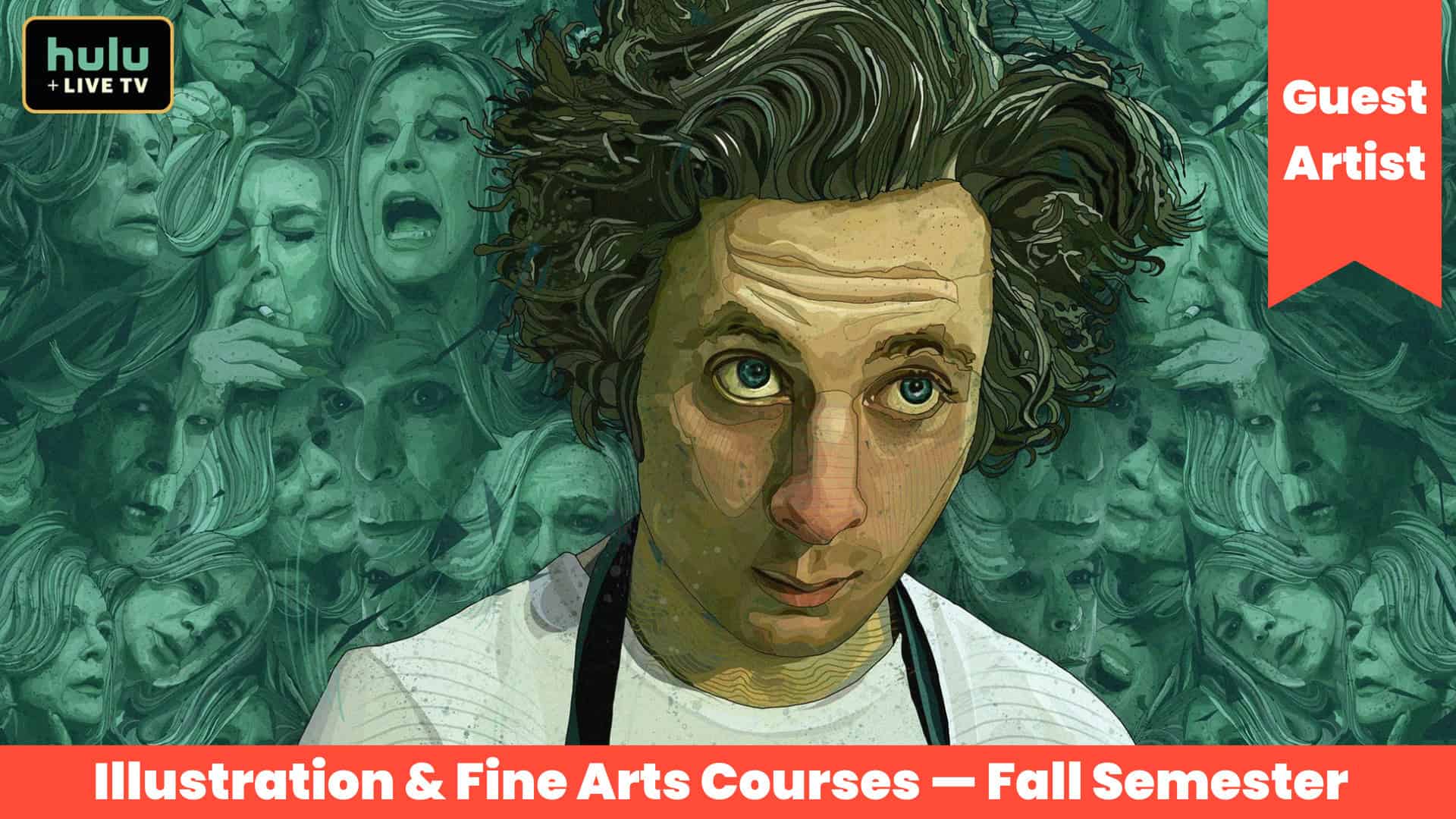
Guest Artists

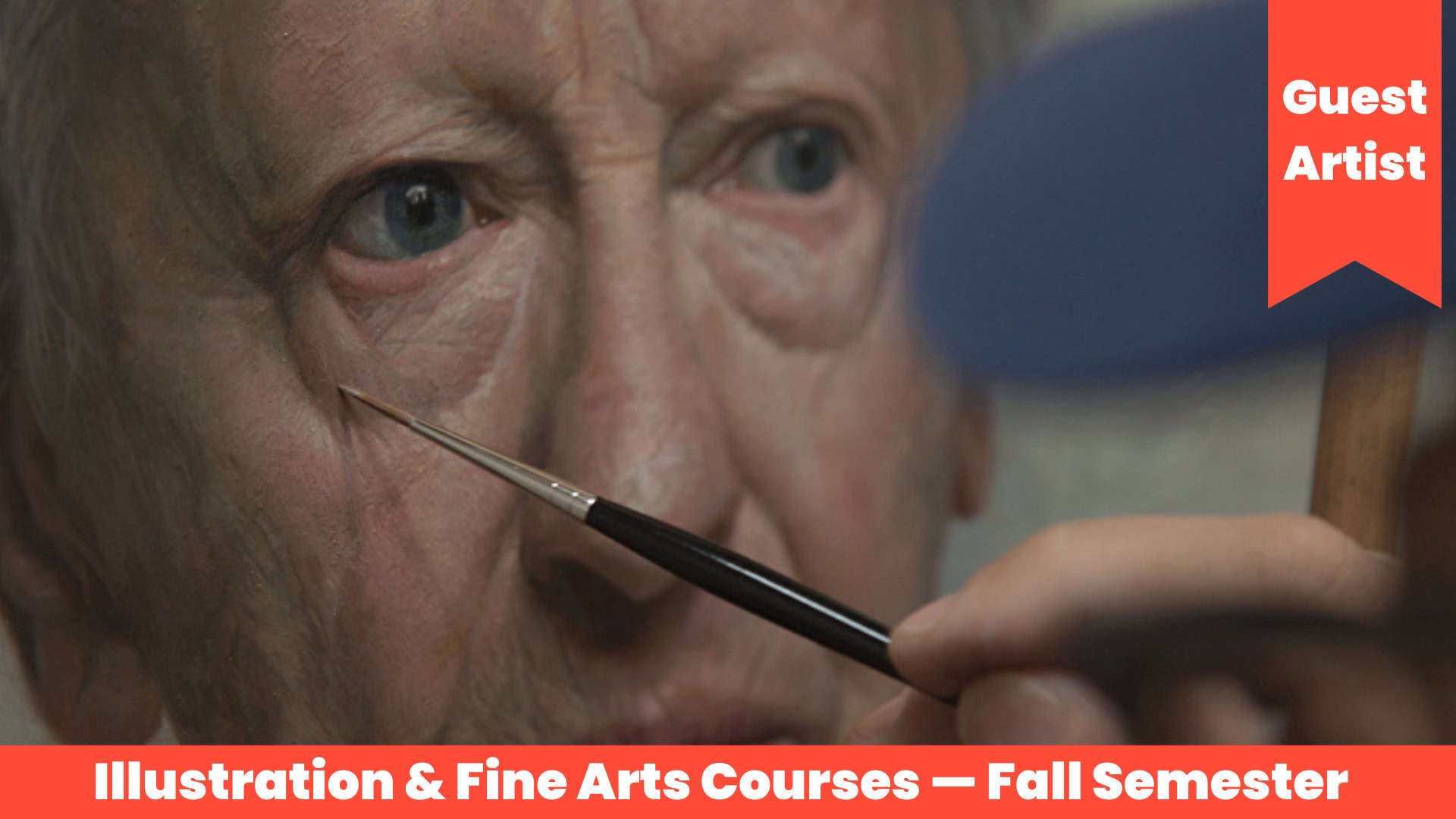
6 guest artists every semester.

Two working professionals each guest weekend. Live demos, candid studio talks, and a look inside careers at the top of the field.

Student Outcomes

Where students go after VAP.

Artwork by Erin Ruffino
Erin Ruffino
Fine Arts Student
Found gallery representation with RJD Gallery shortly after completing the program. Featured in Fine Art Connoisseur Magazine (Jan/Feb 2023), Artist Network Magazine, and The Best of Drawing.
"Visual Passage is the best investment I've made for my career."
Artwork by Jeff Arsenault
Jeff Arsenault
Illustrator and Gallery Artist
Selected as featured exhibitor at The Mezzanine Gallery. Received recognition from the state of Delaware, with work featured on the state's official website.
"They helped me discover and define my voice as an artist, encouraging me to narrow in on what I truly want to say and do through my work."
Student Testimonials

What students say.

★★★★★

"At Visual Arts Passage, this course maximizes your efforts by not only guiding the development of your artistic voice but also clarifying your desired direction in the industry. Because of tremendous support and guidance from the mentors, I had an artwork accepted into the 64th Society of Illustrators annual and started receiving paying job opportunities from real-world clients."

Erin Ruffino
★★★★★

"The program has been a tremendous help for me. Getting personal support and lots of in-depth discussions of one's own work with some of the world's leading professionals in the field is a true eye opener and a magical experience."

Paul Scherubel
★★★★★

"Visual Arts Passage offers a program that gives you a real tangible sense on how to move forward as an artist and develop a career as an artist or illustrator. It's left me feeling optimistic and with a clear path forward!"

Marcus Solomon
★★★★★

"I can not recommend them enough. What I have learned with them is all of the things I wish I had gotten in college and have searched for all my life."

Julia Lynn Powell
Spring 2026 · April 26 to June 28

Ready to get started?

Choose the course that matches where you are right now. Each one is 10 weeks, taught live, and built around your work.

What the press says
ImagineFX
"One of the best online art schools"
ImagineFX Magazine
Creative Bloq
"Best online art classes"
Creative Bloq
How We Compare

A different kind of online fine arts education.

There are good platforms for learning art online. VAP is the only one structured as a guided pathway from skill to career, taught live by working gallery artists.

Domestika
Self-paced video library
Domestika
VAP
Pre-recorded, self-paced
Live weekly instruction
Peer-based feedback
Direct instructor critique
A-la-carte catalog
Structured A-to-Z pathway
Self-directed learning
Guided by working artists
Proko
Pre-recorded fundamentals
Proko
VAP
Pre-recorded video
Live and On-Demand
Learn independently
Small cohort model
Fundamentals focus
Skill through career
No career path
Gallery representation focus
Schoolism
Library and subscription
Schoolism
VAP
Asynchronous critique
Live weekly critique
Subscription library
Structured program
Upload and wait
Instructors always reachable
No defined end goal
Career-mapped outcomes
FAQ

Fine Arts Courses: Common Questions

Everything you need to know about the program, the format, and whether it is right for you.

What are fine arts courses?
Fine arts courses are structured learning programs focused on traditional visual art disciplines including painting, drawing, and mixed media. Unlike design or commercial art courses, fine arts programs emphasize personal expression, technique, artistic identity, and often the pursuit of gallery representation or collector relationships. VAP's fine arts courses specifically combine technical training with career development, taught live by gallery-represented working artists.
What do you learn in a fine arts program?
The VAP Fine Arts Program covers three stages of development. Stage 1 focuses on foundational skills: composition, lighting, value, texture, mark-making, and perspective. Stage 2 focuses on developing your artistic voice and identity. Stage 3 focuses on professionalization: gallery submissions, finding collectors, representation strategies, and building a sustainable career as a working fine artist.
Can you take fine arts courses online?
Yes. VAP's fine arts program is entirely online, with live classes held weekly via video. Unlike purely self-paced platforms, our online fine arts classes are structured around real-time interaction, direct critique from working artists, and a small cohort model that mirrors the experience of an in-person studio program.
Are online fine arts classes effective?
The effectiveness depends heavily on the format. Passive video courses have limited impact on artistic growth because critique and feedback are what actually accelerate development. VAP's online fine arts classes are built around live instruction, direct critique, and small cohorts — the same conditions that make in-person studio programs effective. Students regularly come out of the program with gallery representation, exhibition credits, and collector relationships.
How does critique work in an online fine arts program?
Critique happens in two ways. During Sunday live classes, instructors review work in real time with the full cohort present. Wednesday Study Hall sessions are dedicated critique sessions where students can submit work in progress, get specific feedback from instructors or visiting guest artists, and observe other critiques. The combination gives students multiple rounds of feedback per week and the added benefit of learning from critiques directed at peers.
Do I need experience to take fine arts courses?
Stage 1 (Skill and Style for Fine Arts) is designed for beginners and intermediate artists. No prior formal training is required, though some comfort with traditional materials is helpful. Stage 2 and Stage 3 assume the foundational knowledge covered in Stage 1. If you are already an intermediate or advanced artist, reach out and we will help you identify the right starting point.
What materials do I need for fine arts courses?
The program is open to all traditional mediums including oil, acrylic, gouache, watercolor, charcoal, and pastel. You will need your own materials. A specific supply list is provided with enrollment. There are no required brand purchases and the instructors are happy to discuss material choices based on your practice.
What if I miss a live class?
Every live class is recorded and made available to enrolled students shortly after. The format is live and on-demand, meaning you can attend in real time or watch the full session later. You will not miss content. That said, live attendance is strongly encouraged because the in-session critique and interaction are where much of the learning happens.
How do artists get gallery representation?
Gallery representation typically comes from a combination of a strong, cohesive body of work, an understanding of how galleries operate, direct relationships with gallery owners and directors, and showing up consistently in the fine arts community. Stage 3 of the VAP program specifically covers the professional strategies for pursuing representation: how to approach galleries, what collectors look for, how to price work, and how to build a sustainable professional practice.
How do artists find collectors?
Collectors typically find artists through galleries, exhibitions, social media, and word of mouth within fine arts communities. Building collector relationships takes time and a consistent body of work. The VAP program covers collector outreach strategies, how to build a presence that attracts serious buyers, and how to nurture long-term collector relationships that sustain a fine arts career.
How long does it take to develop a portfolio for galleries?
Most gallery-ready portfolios take one to three years of focused, consistent work to develop from scratch. The timeline shortens significantly with structured mentorship and regular critique because you are getting feedback that would otherwise take years of trial and error to accumulate on your own. Many VAP students see significant progress within a single 10-week course, and the full three-course program is designed to take you from skill-building through gallery-readiness.
How do I know which level is right for me?
Stage 1 is right for you if you are building foundational skills or want to accelerate your technical development regardless of current level. Stage 2 is right for you if you have solid technique but want help developing a distinctive artistic identity. Stage 3 is right for you if you have a body of work and want to pursue gallery representation, collector relationships, or professionalize your practice. If you are unsure, reach out via our contact page and we will help you figure out the right starting point.
Spring 2026 · Now Enrolling

Ready to take the next step?

Choose your course below or reach out and we will help you find the right starting point.

Course 1
Skill and Style for Fine Arts
Beginner
Learn More
Course 2
Developing Voice for Fine Arts
Intermediate
Learn More
Course 3
Career Development for Fine Arts
Advanced
Learn More
News & Updates
Call or Text (323) 366-7053

Mon–Fri, 10am–5pm PT

Call or Text Us
More

Named one of the best online art schools — ImagineFX Best online art classes — Creative Bloq

© 2026 Visual Arts Passage Privacy Terms