Illustration artwork from Visual Arts Passage mentorship program
Course Dates: April 25 - June 27, 2026

Online Illustration Courses with Live Mentorship

A structured mentorship program taught by working illustrators. Live classes, personal critiques, and real career guidance in small classes.

Live and On-Demand 10-Week Courses Small Classes
Illustration artwork from Visual Arts Passage mentorship program
0
Student Awards at SOI,
Communication Arts & More
0
Students
Since 2017
0
Countries
Represented
0
Rated Best Online Art
School by ImagineFX
How It Works

More Than a Course. A Working Studio, Online.

Show up to a live class every week, get direct feedback on your work, and build your skills alongside a small group of fellow students.

1

Live Weekly Classes

3-hour sessions every Saturday. Lectures, demos, and real-time critiques. Live and On-Demand.

2

Personal Critiques

Your instructor reviews your work every week. Direct feedback from a working illustrator.

3

Midweek Group Critique

A second round of feedback every Wednesday. More eyes on your work between live classes.

4

Discord Community

Daily feedback, questions, and peer connection between live sessions.

5

Industry Guest Speakers

Working professionals share career insights, process breakdowns, and real industry perspective every semester.

6

On-Demand Recordings

Every live session is recorded. Rewatch lectures, demos, and critiques on your own time.

Show all instructors +

Part of every mentorship course

Live Guest Speakers

Each semester we bring in working professionals to share their experience, process, and perspective with the school.

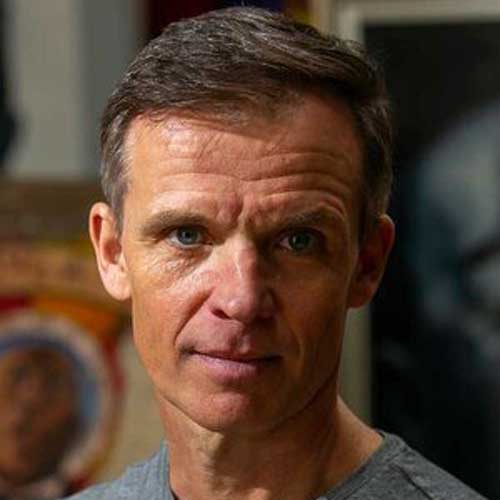
George Pratt artwork
Guest Artist

George Pratt

Painter & Visual Storyteller

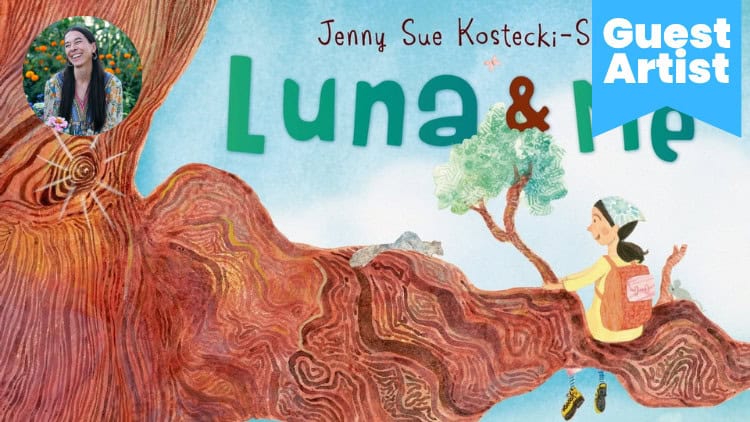
Sara Kipin artwork
Guest Artist

Sara Kipin

Illustrator & Character Designer

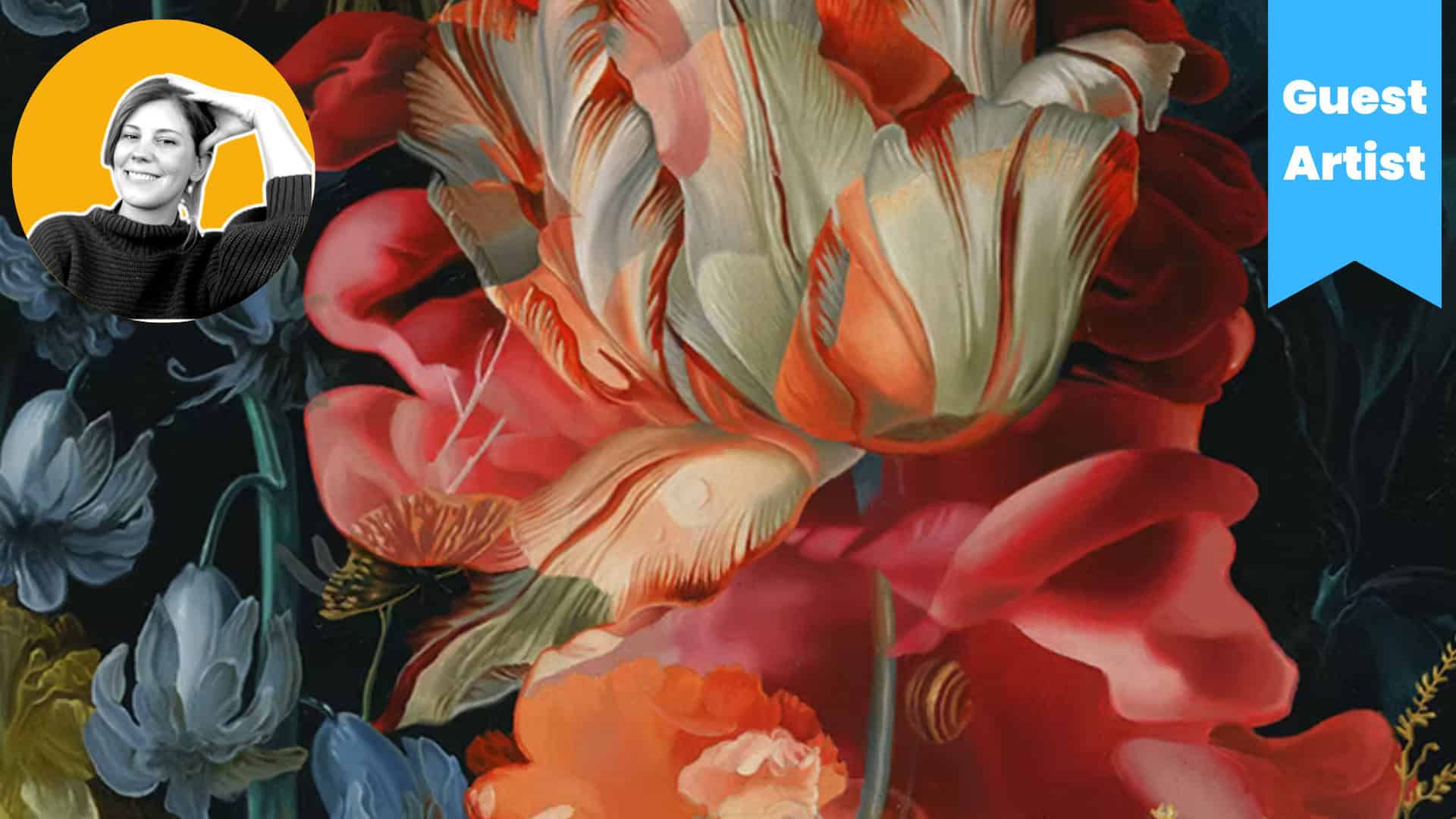
Eva Toorenant artwork
Guest Artist

Eva Toorenant

Illustrator & Concept Artist

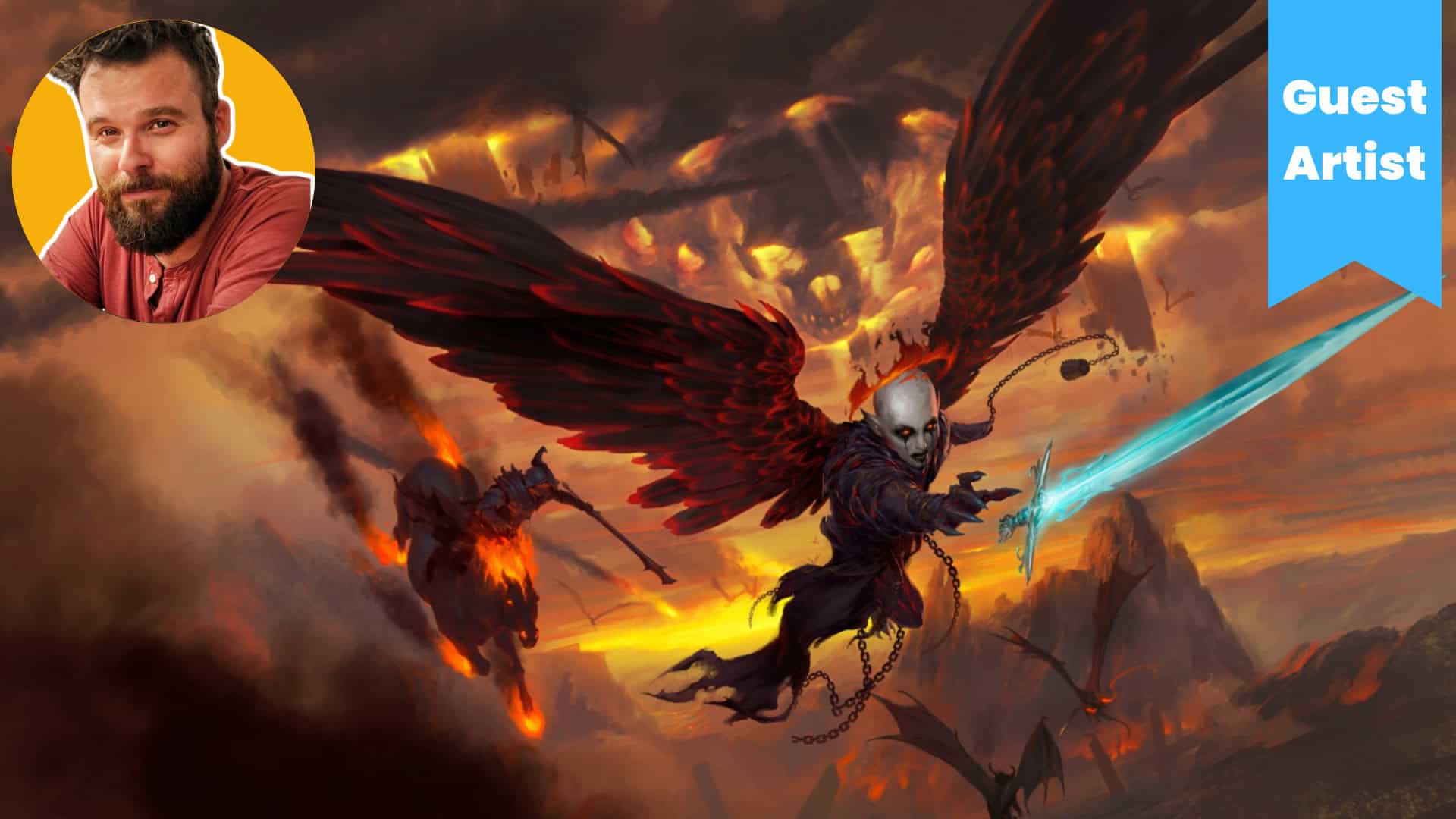
David Palumbo artwork
Guest Artist

David Palumbo

Fantasy & Editorial Illustrator

Dariusz Kieliszek artwork
Guest Artist

Dariusz Kieliszek

Concept Artist & Illustrator

Charlie Griak artwork
Guest Artist

Charlie Griak

Filmmaker & Illustrator

See It In Action

What a Real Critique Looks Like

A real moment from our Portfolio and Career Development course. An instructor guiding a student through improving their work.

Student Outcomes

Real Artists. Real Careers.

Illustration by Nate Sweitzer, Visual Arts Passage student
Nate Sweitzer
Illustration Student
Set the Folio Society as his dream client and landed it. Built the portfolio that led to illustrating To Kill a Mockingbird, plus exhibitions at the Society of Illustrators and a feature in Communication Arts. Nate now teaches Ideation & Visual Storytelling at Visual Arts Passage.
Recognized by
Folio Society Society of Illustrators Communication Arts
Painting by Erin Ruffino, Visual Arts Passage student
Erin Ruffino
Illustration & Gallery Arts Student
Found gallery representation with RJD Gallery shortly after attending the program. Featured in Fine Art Connoisseur Magazine, Artist Network Magazine, and The Best of Drawing.
"Visual Passage is the best investment I've made for my career."
Recognized by
RJD Gallery Fine Art Connoisseur Artist Network
Illustration by Zack Rock, Visual Arts Passage student
Zack Rock
Illustration Student
Folio Book Illustration Award winner and Society of Illustrators Gold Medalist. Work featured in Communication Arts, American Illustration, Spectrum, and at the Bologna Children's Book Fair.
"Literally all of the illustrations I completed while studying at Visual Arts Passage have gone on to be selected for competitions or annuals."
Recognized by
Folio Society Society of Illustrators Communication Arts AI-AP
Illustration by Peter Cassell, Visual Arts Passage student
Peter Cassell
Illustration Student
Work featured at the Society of Illustrators and American Illustration. Landed a full-page LA Times commission on Adele and Beyonce.
"I was wary of a contract. My instructor had experience working with that specific magazine and offered clear advice."
Recognized by
Society of Illustrators American Illustration LA Times
Artwork by Jeff Arsenault, Visual Arts Passage student
Jeff Arsenault
Illustrator & Gallery Artist
Selected as featured exhibitor at The Mezzanine Gallery. Received recognition from the state of Delaware, with work featured on the state's official website.
"They helped me discover and define my voice as an artist, encouraging me to narrow in on what I truly want to say and do through my work."
Recognized by
Mezzanine Gallery State of Delaware
See More Student Outcomes
Student Story

In her own words.

Eva Boneva — Illustrator, Spring 2026 VAP Guest Speaker

"Because I joined this program at Visual Arts Passage I'm now completely booked for the first half year and I got a lot of dream clients that I never imagined I would be working with."

Who This Is For

Built for artists ready to stop guessing and start building.

Self-taught illustrators who have hit a ceiling and need structured, expert feedback to break through
Artists and designers building a professional illustration portfolio for the first time
Art school graduates who studied illustration but never got mentorship from working professionals
Working illustrators who want to sharpen their craft, build new portfolio work, and connect with peers
Not sure if this is right for you? Send us your work and we will give you an honest recommendation.

How We Compare

A different kind of online illustration education.

Most online art platforms scaled by removing live instruction and personal feedback. We stayed small on purpose. Every class at Visual Arts Passage has 5 to 12 students, taught live by working illustrators who critique your work every week.

Domestika
Self-paced video library
Domestika
VAP
Pre-recorded, self-paced
Live weekly instruction + all sessions recorded for self-paced review
No instructor feedback
Direct instructor critique
No guided pathway
Structured 3-course pathway
No career guidance
Portfolio and career mentorship

Domestika offers pre-recorded, self-paced video courses with no live instructor feedback, no guided curriculum pathway, and no career guidance. Visual Arts Passage provides live weekly illustration classes with direct instructor critique, a structured three-course mentorship pathway, and portfolio and career mentorship in small classes of 5 to 12 students.

Proko
Pre-recorded fundamentals
Proko
VAP
Pre-recorded video lessons
Live and on-demand (all sessions recorded)
Learn independently
Small classes (5-12 students)
No guided pathway
Skill, storytelling, and career
No portfolio review
Weekly portfolio critique

Proko offers pre-recorded video lessons focused on anatomy and drawing fundamentals with no live interaction, no guided curriculum pathway, and no portfolio review. Visual Arts Passage provides live weekly illustration mentorship covering skill development, visual storytelling, and career strategy with weekly portfolio critique in small classes of 5 to 12 students.

Schoolism
On-demand, live, and live-with-feedback tiers
Schoolism
VAP
$1,198 / 9 live sessions
$999 / 23+ live sessions
Course-by-course, no pathway
Structured 3-course program
Individual enrollment
Live community, Discord, study hall
Primary focus on entertainment and concept art
Editorial, publishing, fine art, entertainment, and character design

Schoolism offers three service tiers: on-demand courses, live courses, and live courses with instructor feedback. Their comparable live-with-feedback option is $1,198 for 9 live sessions over 9 weeks. Visual Arts Passage costs $999 for 23 or more live sessions over 10 weeks including lectures, demonstrations, personal critique, study hall, and guest speakers, in classes of 5 to 12 students with an active Discord community and a structured three-course mentorship pathway.

Accredited Art School (BFA)
4-year degree program
Art School
VAP
Typically 4 years, $40K-$200K+
10 weeks, $999 per course
Instructor quality varies
Working professionals only
Class sizes vary widely
5-12 students per class
Broad academic curriculum
Industry-focused mentorship

A four-year accredited BFA in illustration typically costs $40,000 to $200,000 or more. Class sizes and instructor quality vary by institution, and curricula generally include broad academic requirements alongside studio courses. Visual Arts Passage offers 10-week mentorship courses at $999 each, taught exclusively by working professionals in classes of 5 to 12 students, with an industry-focused curriculum covering illustration skill development, visual storytelling, and career strategy.

Comparisons reflect publicly available information as of March 2026 and are based on our understanding of each platform's general model. Features and offerings may change. We encourage prospective students to research all options independently before making a decision.

Frequently Asked Questions

Questions about the Illustration Program

What types of illustration courses are available online?

+

Online illustration courses generally fall into three formats: self-paced video libraries, live workshops with instructor feedback, and structured mentorship programs. Self-paced platforms offer pre-recorded lessons you watch on your own schedule. Live illustration workshops add deadlines, accountability, and real-time critique. Mentorship programs like Visual Arts Passage combine live weekly instruction, small class sizes of 5 to 12 students, and a multi-course curriculum that builds from foundational skills through career development. The right format depends on whether you need flexibility or feedback.

What is the difference between self-paced tutorials and a live illustration mentorship?

+

Self-paced video courses let you watch lessons on your own time, which works well for flexible schedules. The tradeoff is no instructor reviewing your specific work, no deadlines, and no feedback loop. A live mentorship provides weekly interaction with a working professional who critiques your assignments, corrects habits in real time, and holds you accountable to a structured progression. The feedback loop, where you create work, receive expert critique, and revise, is what separates passive learning from actual skill development. Visual Arts Passage classes meet live every week with 5 to 12 students per session.

Can I take online illustration courses if I work full time?

+

Yes. Live classes meet once a week on Saturdays from 10am to 1pm Pacific Time. We recommend budgeting an additional 2 to 5 hours per week for assignments. Wednesday Study Hall is optional. The program is designed for working adults. Many of our students hold full-time jobs, freelance on the side, or have family obligations and complete the program successfully.

Should I learn illustration with traditional media or digital tools?

+

Both paths are valid, and the choice depends on your goals. Traditional media like pencil, ink, and paint build discipline because every mark is permanent. Digital tools like Procreate, Photoshop, and Adobe Illustrator offer layers, undo, and scalable output for commercial work. Many professional illustrators work across both. At Visual Arts Passage, students work in whatever medium suits them: oil paint, gouache, graphite, ink, Procreate, Photoshop. The curriculum is not software-specific. Your instructor critiques the quality of your visual thinking, not the tool.

What fundamentals should a good illustration course cover?

+

Any serious illustration curriculum should cover three pillars: structure (drawing, anatomy, perspective), composition (how to direct the viewer's eye and tell a visual story), and color theory (how to set mood and create focus). At Visual Arts Passage, the first course, Process: Skill and Craft, covers foundational drawing and painting technique, value structure, and composition. The second course, Ideation and Visual Storytelling, focuses on concept development, narrative illustration, and building original work. These fundamentals apply whether you work in traditional or digital media.

Are free illustration courses worth it, or should I pay for a program?

+

Free resources like YouTube tutorials are excellent for learning isolated techniques: a shading method, a brush setting, a quick anatomy tip. The gap is structure and feedback. Free content does not build skills in sequence, and no one reviews your work. Paid programs provide a curated curriculum, assignments designed to build on each other, and direct critique from an instructor. In illustration, clients hire based on your portfolio, not a certificate. The question is whether the program actually improves your work. At Visual Arts Passage, students produce finished, portfolio-quality illustrations in every course.

Do I need a formal art degree to work as an illustrator?

+

No. Illustration clients and art directors hire based on the strength of your portfolio, not your diploma. A four-year BFA costs $40,000 to $200,000 and includes many courses unrelated to illustration. Focused mentorship programs can build the same professional skills in a fraction of the time and cost. What matters is whether you can consistently produce work that meets a client's needs. Visual Arts Passage's three-course Illustration Program covers skill development, visual storytelling, and portfolio and career strategy in 30 weeks total.

How do I build an illustration portfolio while I am still learning?

+

Every assignment should be treated as a potential portfolio piece, not a throwaway exercise. The best illustration courses assign projects that mirror real-world briefs: book covers, editorial illustrations, character design sheets. In Process: Skill and Craft, students complete three finished illustrations. In Ideation and Visual Storytelling, you develop original narrative work. In Portfolio and Career Development, you refine your strongest pieces and learn how to present them to art directors and publishers. Students regularly submit course work to the Society of Illustrators, Communication Arts, and American Illustration while still enrolled.

What kind of illustration careers does this program prepare me for?

+

Graduates work in editorial illustration (magazines, newspapers, book covers), publishing (children's books, graphic novels), advertising, concept art, gallery exhibitions, and freelance client work. The program is not limited to one industry. The third course, Portfolio and Career Development, helps you identify your target market and build a portfolio aimed at the clients you want. Past students have landed commissions from the LA Times, exhibited at the Society of Illustrators, illustrated for The Folio Society, and found gallery representation.

What tools or materials do I need to get started?

+

There are no required software purchases. Students work in whatever medium they prefer: pencil and paper, oil paint, gouache, ink, Procreate, Photoshop, or mixed media. If you are just starting out, a sketchbook and pencils are enough. If you work digitally, an iPad with Procreate or a graphics tablet with Photoshop are common choices. The curriculum focuses on visual thinking and illustration fundamentals, not on mastering a specific application.

How does Visual Arts Passage compare to other online illustration schools?

+

Most online platforms scaled by removing live instruction. Domestika and Skillshare offer pre-recorded video libraries with no instructor feedback. Proko focuses on anatomy fundamentals without career guidance. Schoolism runs larger classes with an entertainment industry focus. Visual Arts Passage is a live, small-group mentorship program with 5 to 12 students per class, taught by working illustrators who critique your work every week. The three-course structure covers skill, storytelling, and career development in sequence. Classes are Live and On-Demand, so you get both real-time interaction and recorded sessions to review.

What happens after I finish all three courses?

+

Many students repeat Portfolio and Career Development for continued coaching as they build their careers. Others move into the Fine Arts and Gallery Mentorships if they want to pursue gallery representation. You keep access to the Discord community where you can stay connected with classmates and instructors. The goal is not just to complete a program but to leave with a portfolio, a professional network, and a clear direction.

Show all questions +